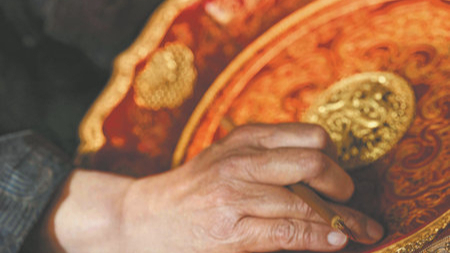
Lacquer Carving Technique
Introduction
Lacquer carving, a traditional craft integral to the Eight Marvelous Crafts of Beijing, is an art form with deep historical and cultural roots. It involves the meticulous carving of lacquer, a natural varnish made from the sap of lacquer trees, to create intricately detailed designs and motifs. This technique is revered for its craftsmanship and intricate beauty, which have been passed down through generations. Lacquer carving is not only admired for the aesthetic quality it imparts to objects but also for its durability and resilience against environmental elements.
The significance of lacquer carving extends beyond artistic expression, as it played an essential role in the cultural heritage of China, particularly during the Qing Dynasty (1644-1911) when it was prominently used in the imperial court. Today, lacquer carving continues to captivate artisans and enthusiasts alike, representing a fusion of historical tradition and modern innovation. Exhibitions and museums, such as those recently held in Beijing and Shenyang, showcase the versatile applications and enduring appeal of lacquerware, highlighting its place in contemporary artistic and cultural landscapes.
History
Lacquer carving has a rich history that can be traced back to ancient China, with its origins deeply embedded in the cultural and artistic traditions of the region. The craft reached its zenith during the Ming and Qing dynasties (1368-1911), when it became one of the imperial arts favored by the royal court. During this period, lacquerware was meticulously crafted for use in palatial settings and was often adorned with motifs that symbolized power, prosperity, and auspiciousness.
The rise of lacquer carving as a prominent craft coincided with the flourishing art scene of Beijing, where artisans honed their skills to create elaborate designs that graced various objects, from furniture to decorative items. The Qing Dynasty court particularly valued lacquerware for its aesthetic quality and symbolic meaning, thus encouraging the development and refinement of this craft. Artisans employed sophisticated techniques, layering numerous coats of lacquer to achieve a richly hued finish before carving intricate designs into the surface.
Despite shifts in political and economic landscapes over the centuries, lacquer carving has remained a cherished tradition. In the modern era, efforts have been made to preserve this ancient craft as part of China's intangible cultural heritage. Initiatives such as exhibitions and cultural exchanges have helped keep the tradition alive, allowing it to evolve while maintaining the essence of its historical roots.
Techniques
Materials
Lacquer carving involves a meticulous selection of materials that contribute to the quality and durability of the final product. The primary material used is lacquer, which is derived from the sap of the lacquer tree, native to East Asia. This sap is collected through incisions made in the tree's bark, and once refined, it is applied in multiple layers onto the surface of the object to be carved. Each layer must dry and harden before the next is applied, resulting in a thick, smooth finish suitable for carving.
In addition to lacquer, artisans might incorporate other materials such as gold powder, jade, and precious metals into their designs. These materials are used to enhance the visual appeal of the lacquerware, often inlayed or embedded into the surface to create intricate patterns and motifs. The combination of these materials not only adds aesthetic value but also emphasizes the craftsmanship and artistic intent behind each piece.
Tools
The tools used in lacquer carving are essential for achieving the precision and detail required in the craft. These tools include various types of knives, chisels, and gouges, each designed for specific cuts and carvings. The choice of tool depends on the intricacy of the design and the thickness of the lacquer layer being carved.
Artisans often use fine-tipped knives for delicate lines and intricate details, while broader chisels are employed for larger shapes and patterns. The tools must be sharp and meticulously maintained to ensure clean cuts and smooth finishes. Additionally, artisans may use polishing tools to buff the carved surface, enhancing the sheen and luster of the lacquer.
Process
The process of lacquer carving begins with preparing the object to be lacquered, which is typically made from wood, bamboo, or metal. The surface is coated with multiple layers of lacquer, each applied meticulously and allowed to dry fully before the next layer is added. This layering process can take weeks or even months, depending on the number of coats and environmental conditions.
Once the lacquer has been sufficiently layered, the carving begins. Artisans sketch the desired design onto the lacquered surface, using this as a guide for the carving process. They then use their tools to carefully etch the design into the hardened lacquer, revealing the underlying layers and creating a multi-dimensional effect. The depth of the carving can vary, adding texture and contrast to the final piece.
After the carving is complete, the surface is polished to highlight its natural gloss and to protect the intricacies of the design. In some cases, additional decorative elements such as gold inlay or pigments are added to accentuate certain features. The finished product is a testament to the artisan's skill and creativity, blending traditional techniques with contemporary artistry.
Cultural Significance
Lacquer carving holds a significant place in Chinese cultural heritage, representing both artistic achievement and cultural identity. Historically, lacquerware was a symbol of prestige and luxury, often found in the homes of the wealthy and powerful, including the imperial court. The intricate designs and craftsmanship of lacquerware reflected the artistic values and aesthetic preferences of Chinese culture, celebrating themes of prosperity, longevity, and harmony.
The cultural significance of lacquer carving extends beyond its historical use, as it continues to influence modern design and artistic expression. Artisans and designers today draw inspiration from traditional lacquer techniques, incorporating them into contemporary works that resonate with modern aesthetics. This fusion of old and new highlights the enduring relevance of lacquer carving as a dynamic and evolving art form.
Moreover, lacquer carving is celebrated for its role in preserving intangible cultural heritage. Initiatives to protect and promote traditional crafts, such as exhibitions and educational programs, underscore the importance of lacquer carving in maintaining cultural continuity. By engaging with this ancient art, new generations of artisans and art enthusiasts contribute to the ongoing dialogue between past and present, ensuring the craft's preservation for future generations.
Preservation and Modern Developments
In recent years, there has been a concerted effort to preserve and revitalize lacquer carving as an integral part of China's cultural heritage. This has involved both governmental and private initiatives aimed at safeguarding traditional techniques while adapting them to contemporary contexts. Museums and cultural institutions play a crucial role in this preservation effort by hosting exhibitions and workshops that showcase the art of lacquer carving.
One notable development is the integration of lacquer carving with modern design concepts, resulting in innovative and contemporary artworks. Artisans are encouraged to experiment with new forms and techniques, blending traditional craftsmanship with modern aesthetics. This approach not only revitalizes interest in lacquerware but also broadens its appeal to a global audience.
Additionally, collaborations between artisans and fashion designers have led to the creation of unique pieces that combine the elegance of traditional lacquer with the innovation of modern design. These collaborations highlight the versatility of lacquer carving, demonstrating its potential to adapt and thrive in a changing cultural landscape.
Efforts to cultivate new talents in lacquer carving are also underway, with educational programs and apprenticeships designed to pass on skills to younger generations. These initiatives ensure that the knowledge and techniques of lacquer carving are not lost, fostering a sustainable future for this ancient craft.








